BYD Shark Feature Articles
Welcome to the BYD Shark 6 knowledge hub. Each long-form feature below is built to help owners and prospective buyers understand the platform in real-world terms rather than spec-sheet shorthand. You will find the latest news and media commentary, detailed design and styling analysis, a performance and capability breakdown, a staged upgrade guide, and direct comparisons against the GWM Cannon Alpha PHEV, Ford Ranger, Toyota HiLux, Isuzu D-Max and Mitsubishi Triton. Whether you are researching your first dual-cab or planning your next modification, these articles are written to give you the context that matters.
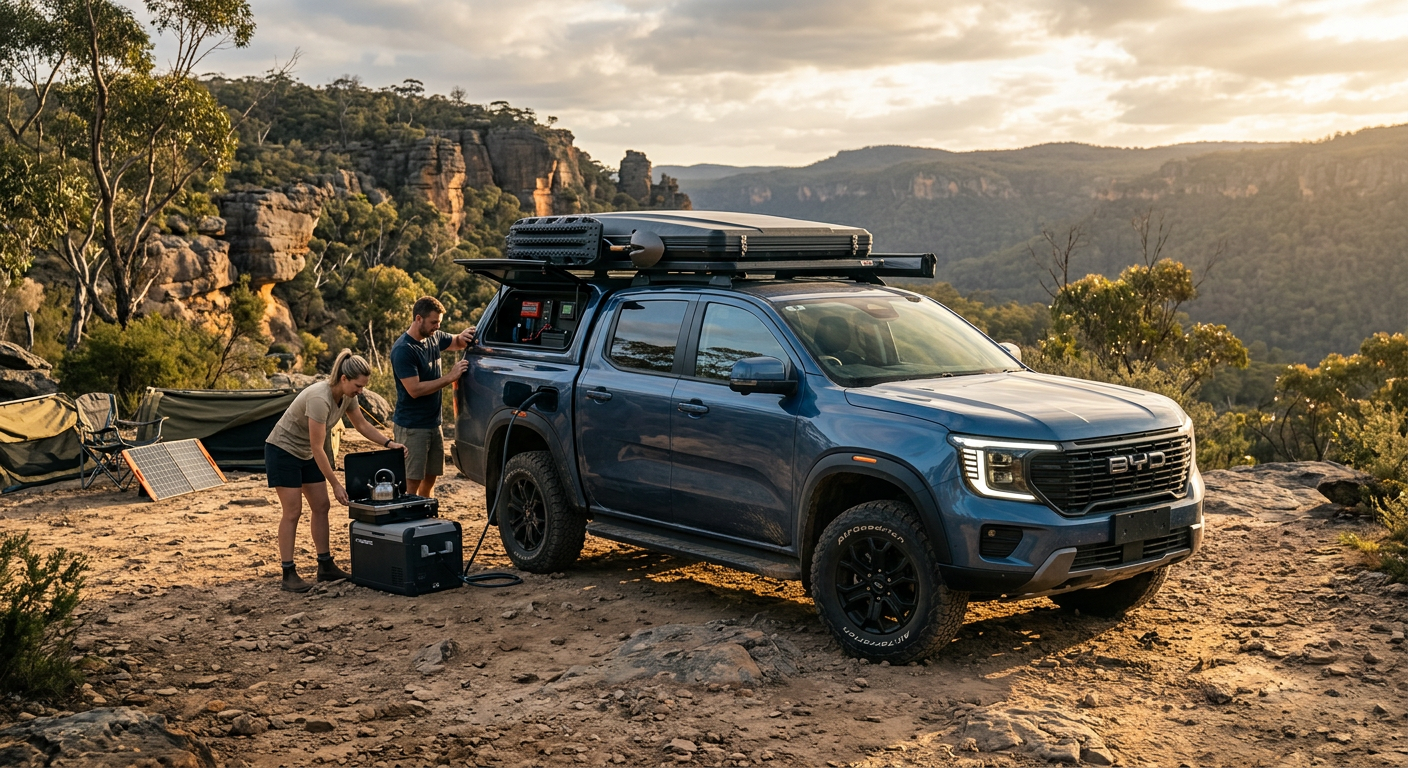
BYD Shark 6 Off-Grid Power Guide: Integrating V2L, DC-DC Chargers, and Auxiliary 12V Systems
The BYD Shark 6 has rewritten the dual-cab rules with its advanced DMO hybrid platform, a 29.58kWh high-voltage Blade Battery, and a built-in Vehicle-to-Load (V2L) system. However, for serious 4x4 tourers, campers, and tradies, relying solely on factory 240V outlets isn't enough to run constant-load 12V gear like fridges, travel ovens, air compressors, and canopy lighting. This comprehensive technical guide breaks down how the Shark 6's complex dual-voltage electrical architecture operates under load. We detail why tapping into the starter battery is risky, how to configure a warranty-safe auxiliary battery system, and how to seamlessly blend the vehicle's high-voltage charging capabilities with traditional 12V off-grid setups for the ultimate remote touring platform.
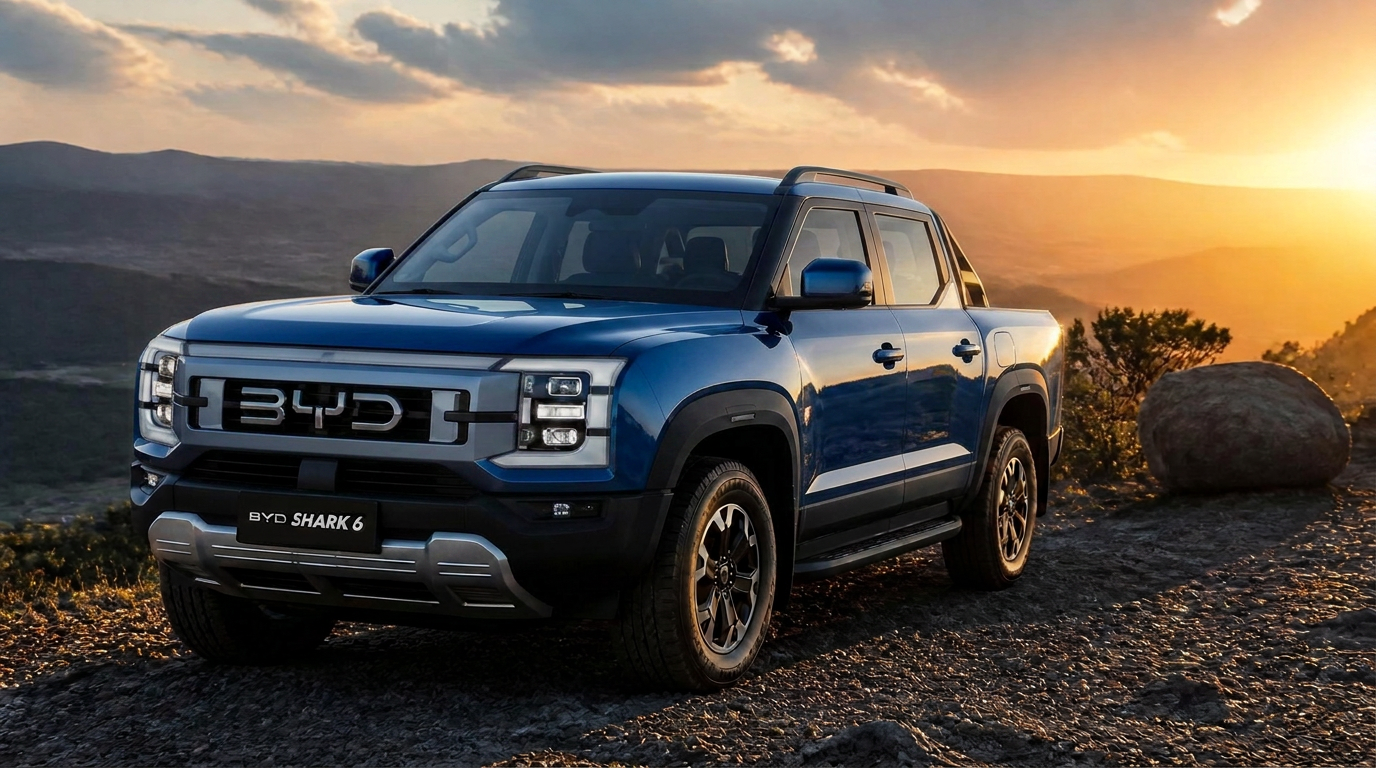
BYD Shark 6: What the Media and Owners Are Saying
The BYD Shark 6 has generated more media coverage, owner debate and showroom interest than almost any other new dual-cab ute in recent years. Reviewers have praised its refinement, standard equipment and plug-in hybrid running costs, while critics have focused on towing limits, real-world consumption when uncharged and early accessory availability. Buyers are also drawn to the Shark 6's modern design, vehicle-to-load capability and quiet electric driving around town. This article collects the strongest themes from the coverage and explains what they mean for the person who actually owns the vehicle or is considering one.
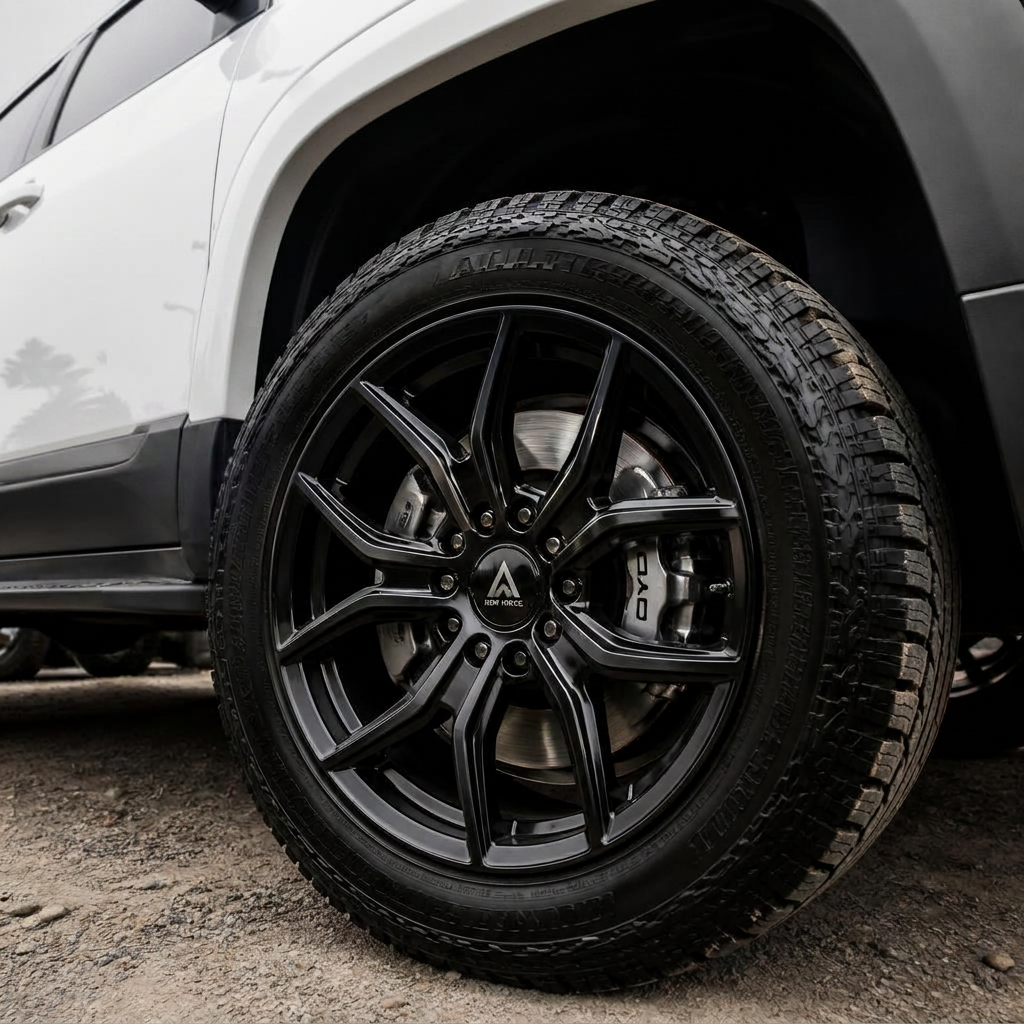
BYD Shark 6 Design and Styling: Why It Works
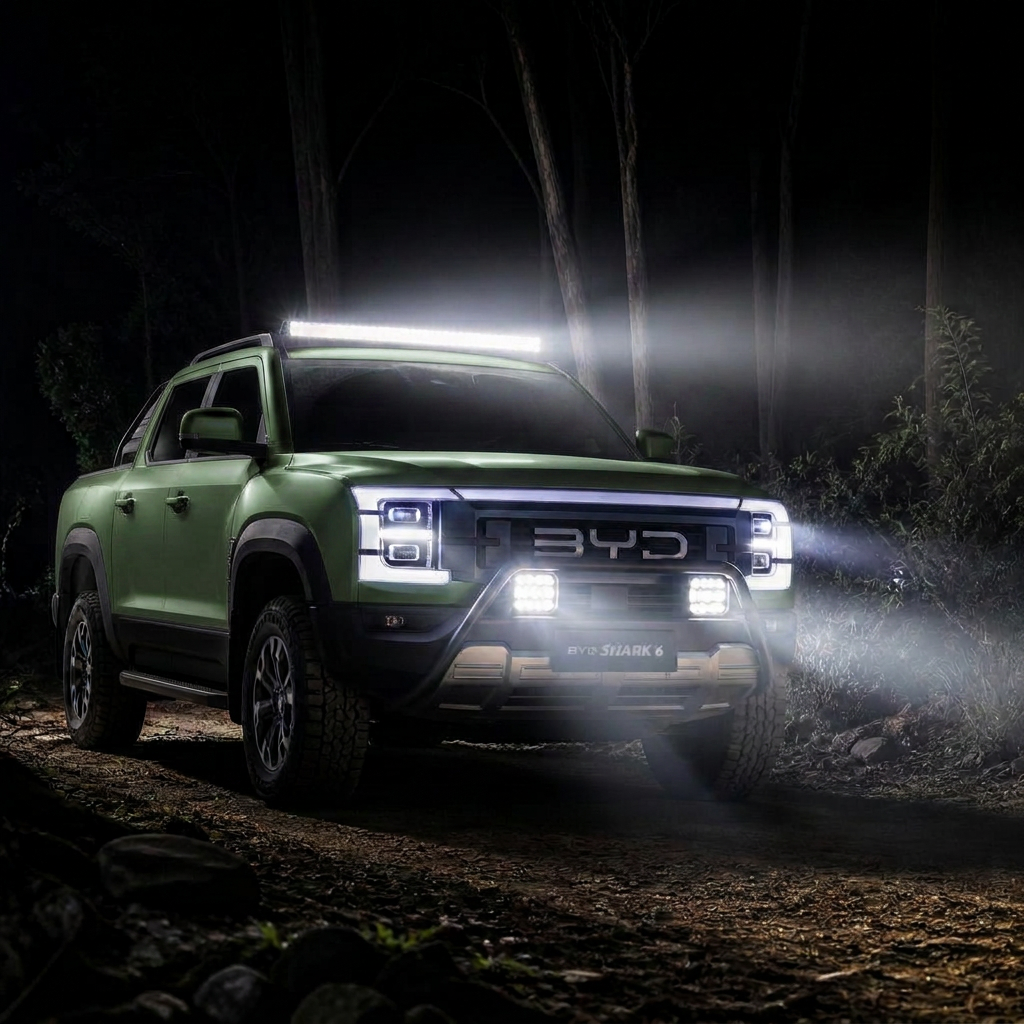
The BYD Shark 6 is one of the better-resolved designs in the dual-cab ute class, and understanding why it works helps you choose upgrades that improve the vehicle rather than clutter it. Its proportions are balanced: the cabin sits well back, the bonnet is long enough to look substantial, and the squared-off wheel arches give it a planted stance. The front end is clean and modern, with slim lighting and a wide grille that reads clearly from a distance. This article explains how the Shark 6's surfacing, stance and detailing work together, and which styling upgrades — wheels, bars, flares, wraps and trim — look most cohesive on the platform.
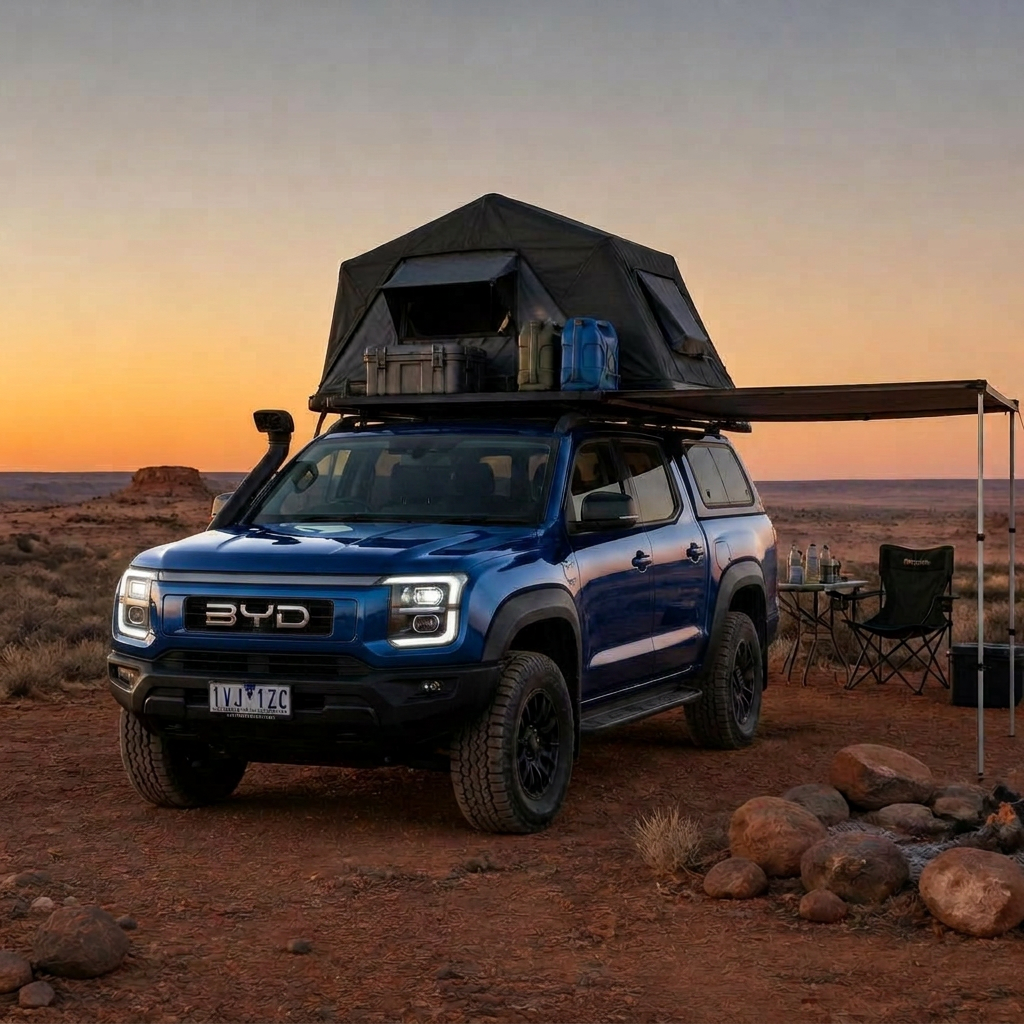
BYD Shark 6 Performance and Capability Explained
Instant torque from dual electric motors, a low centre of gravity from the battery pack and a near-silent cabin make the BYD Shark 6 drive very differently from any diesel dual-cab. The plug-in hybrid drivetrain delivers strong acceleration from rest, confident overtaking and relaxed cruising, while the electric-only range covers most daily commutes when charged at home. In this article we explain how the turbocharged engine and electric motors work together, what the battery range means in real life, how towing and payload affect behaviour, and how the Shark 6 performs on gravel tracks and off-road terrain compared with a conventional ute.
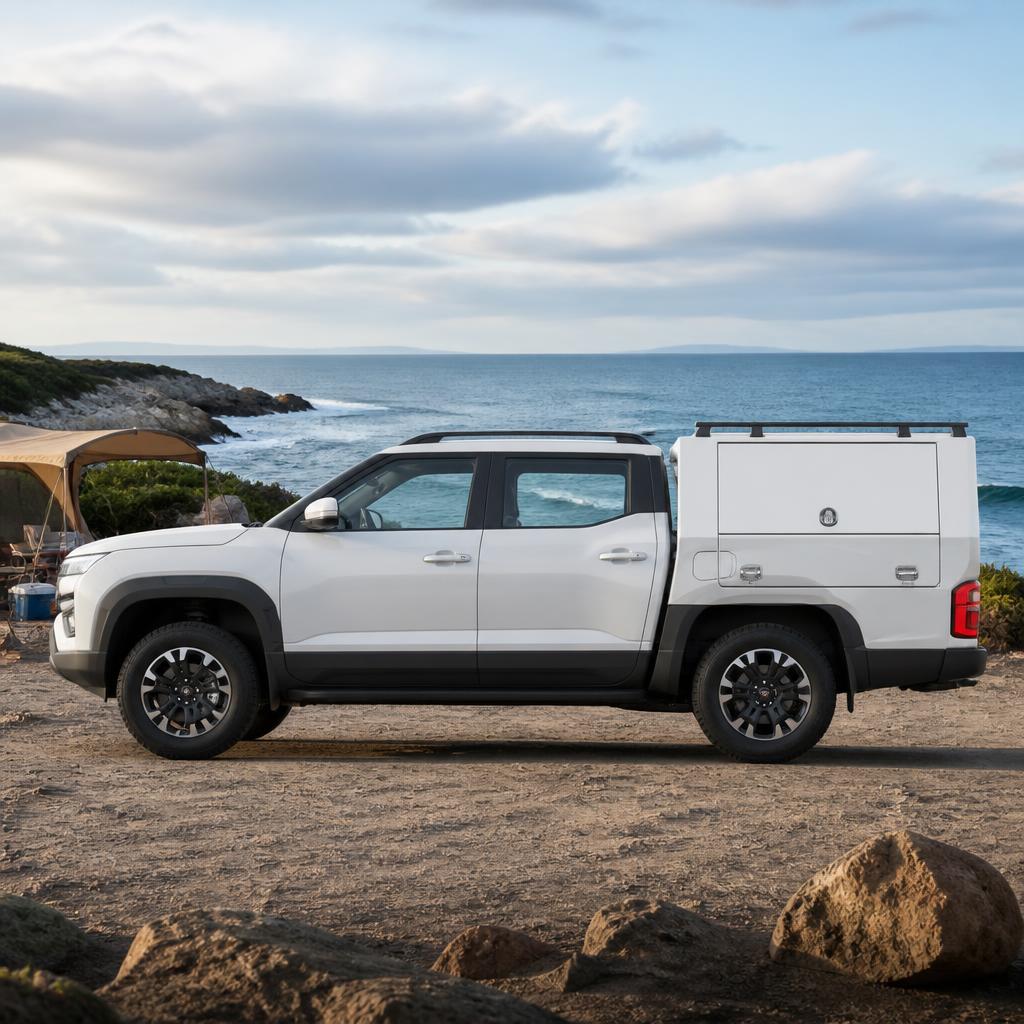
The BYD Shark 6 Upgrade Guide: What to Fit and in What Order
Almost every BYD Shark 6 owner eventually modifies the vehicle, and doing it in the right order saves money, protects payload and produces a build that hangs together visually and functionally. The best approach starts with protection and daily convenience, then moves to tray coverage, electrical systems, lighting and finally heavier items such as suspension and wheels. Jumping straight to the biggest upgrades often forces you to replace earlier parts later. This guide lays out a four-stage plan for the Shark 6, with three example builds — tradie, touring and street — so you can plan your modifications without wasted spend or duplicated effort.
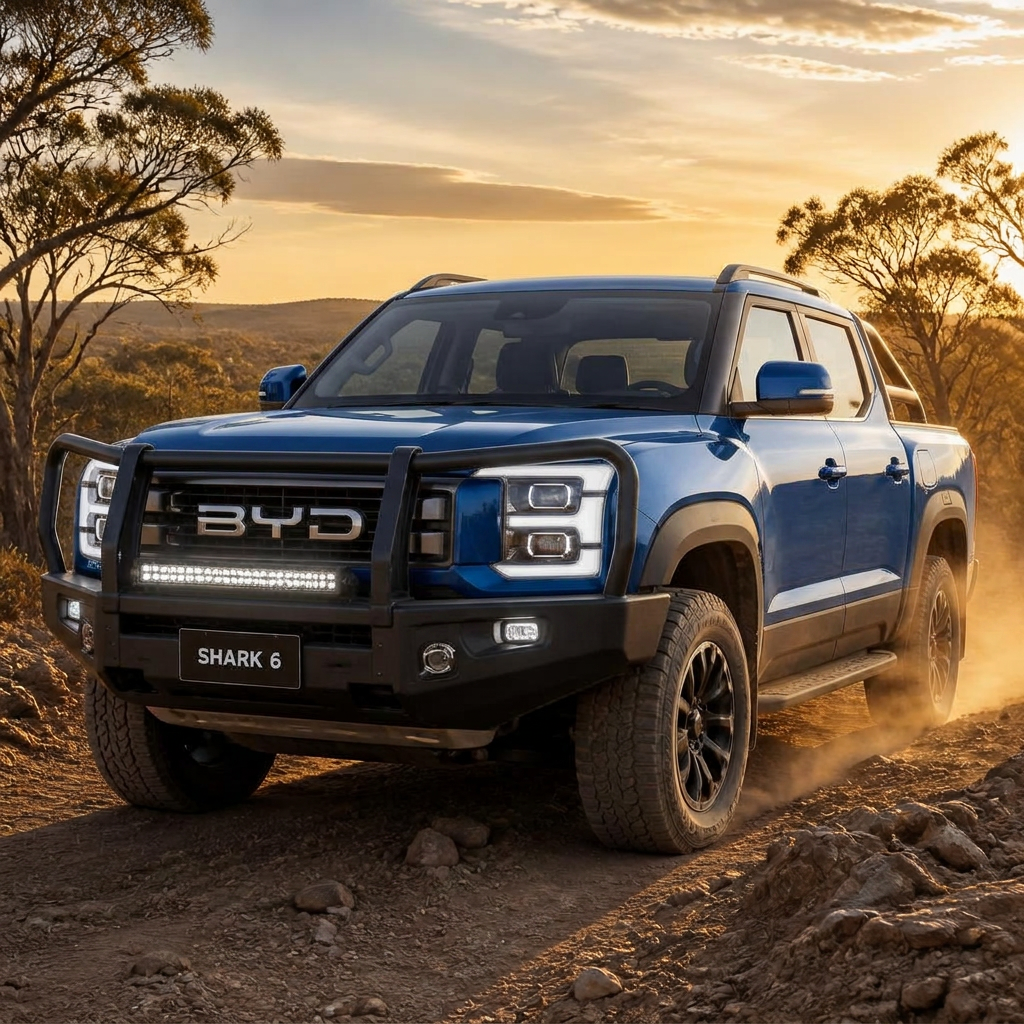
BYD Shark 6 vs GWM Cannon Alpha PHEV
The GWM Cannon Alpha PHEV is the closest rival to the BYD Shark 6, because it is the only other mainstream plug-in hybrid dual-cab ute that most buyers will realistically cross-shop. Both vehicles promise electrified daily running, low fuel costs and diesel-ute practicality, but they arrive at that formula through different engineering philosophies. The Shark 6 prioritises electric drive refinement and technology, while the Cannon Alpha leans on conventional powertrain hardware and a stronger towing figure. This comparison looks at drivetrain behaviour, electric range, towing and payload, cabin quality and equipment, running costs and the upgrade ecosystem for each vehicle.
BYD Shark 6 vs Ford Ranger
The Ford Ranger is the benchmark the BYD Shark 6 was measured against from the moment it was announced, and the comparison remains the one most buyers care about. The Ranger has built its reputation over years of strong sales, proven towing, a deep accessory network and an excellent cabin. The Shark 6 counters with plug-in hybrid efficiency, electric running, standard technology and a sharper purchase price. This article explains how the two compare in real-world use, with honest discussion of running costs, towing capability, cabin quality, off-road behaviour and the size of the aftermarket ecosystem for each platform.
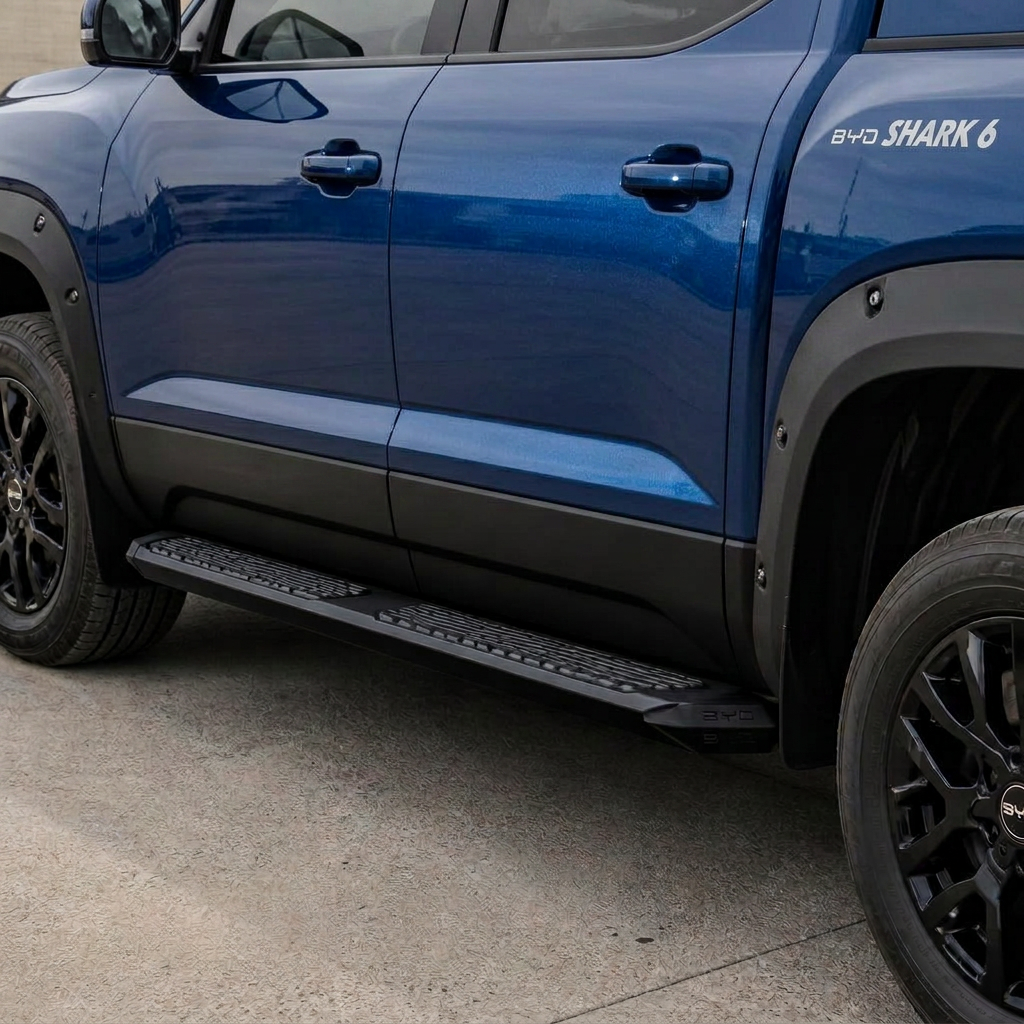
BYD Shark 6 vs Toyota HiLux
The Toyota HiLux built its reputation on durability, resale value and a dealer network that reaches into almost every regional town in the country. It is the safe, known-quantity choice for buyers who want a ute that will last and hold its value. The BYD Shark 6 challenges that position with a different ownership proposition: near-silent electric running for most daily kilometres, far lower fuel costs when charged at home, and a technology and standard equipment list that the HiLux does not match at similar money. This comparison weighs the practical strengths of each vehicle over a typical ownership period.
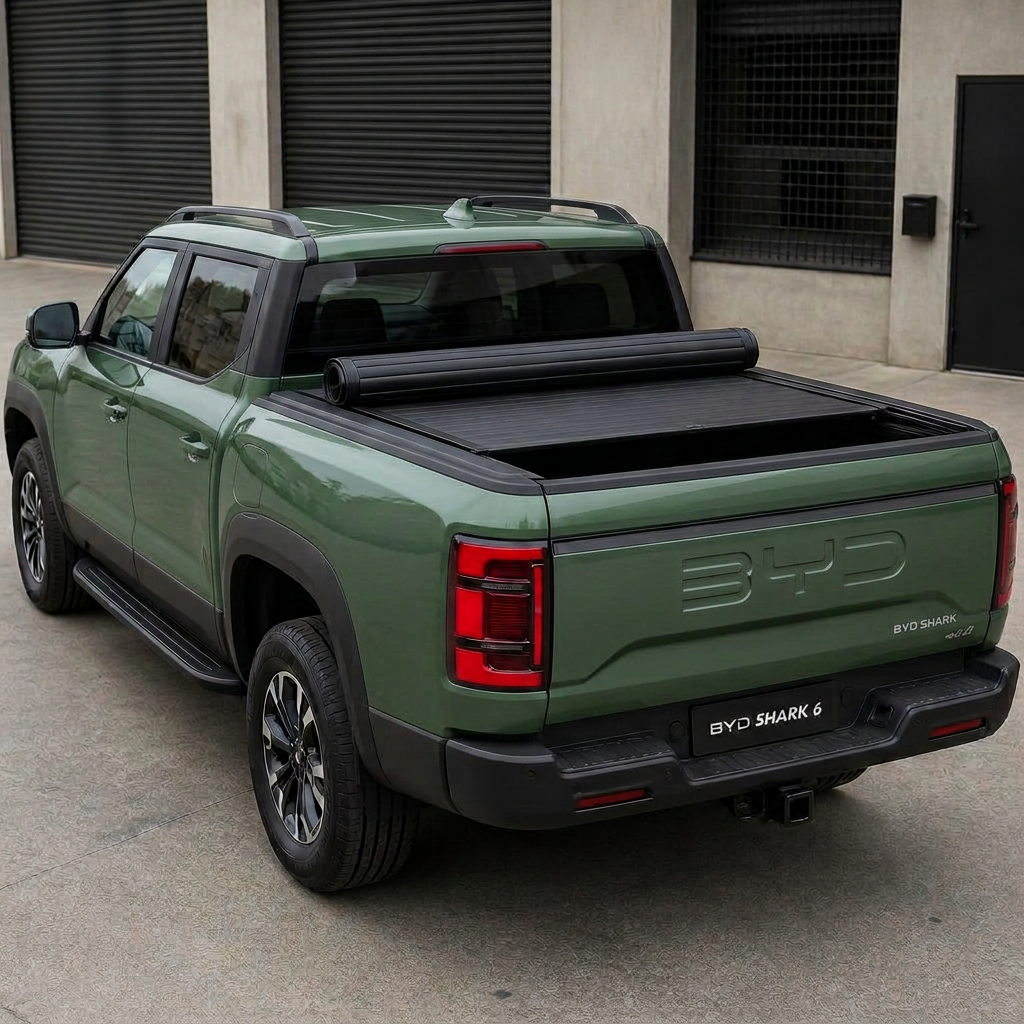
BYD Shark 6 vs Isuzu D-Max
The Isuzu D-Max is the pragmatist's ute in the traditional sense: a durable, mechanically straightforward diesel workhorse with a long-serving engine, strong 3.5-tonne towing and a reputation for taking abuse over long distances. The BYD Shark 6 argues that pragmatism in the 2020s also means plugging in, running on cheap home electricity for daily kilometres and powering a worksite without a generator. This comparison looks at work capability, cabin comfort and technology, running costs, towing and payload, and the practical reality of building each vehicle for trade or touring use.
BYD Shark 6 vs Mitsubishi Triton
The Mitsubishi Triton and the BYD Shark 6 both chase value-conscious dual-cab buyers, but they define value in completely different ways. The Triton competes on purchase price, warranty length, full 3.5-tonne towing and a proven conventional diesel drivetrain in a roomy, recently updated package. The Shark 6 counters with total cost of ownership, standard equipment, electric running and a modern cabin packed with technology. This comparison examines drivetrain and driving experience, towing and off-road ability, cabin quality and equipment, and which value proposition makes more sense for your actual use case.
Living With the BYD Shark 6 Every Day
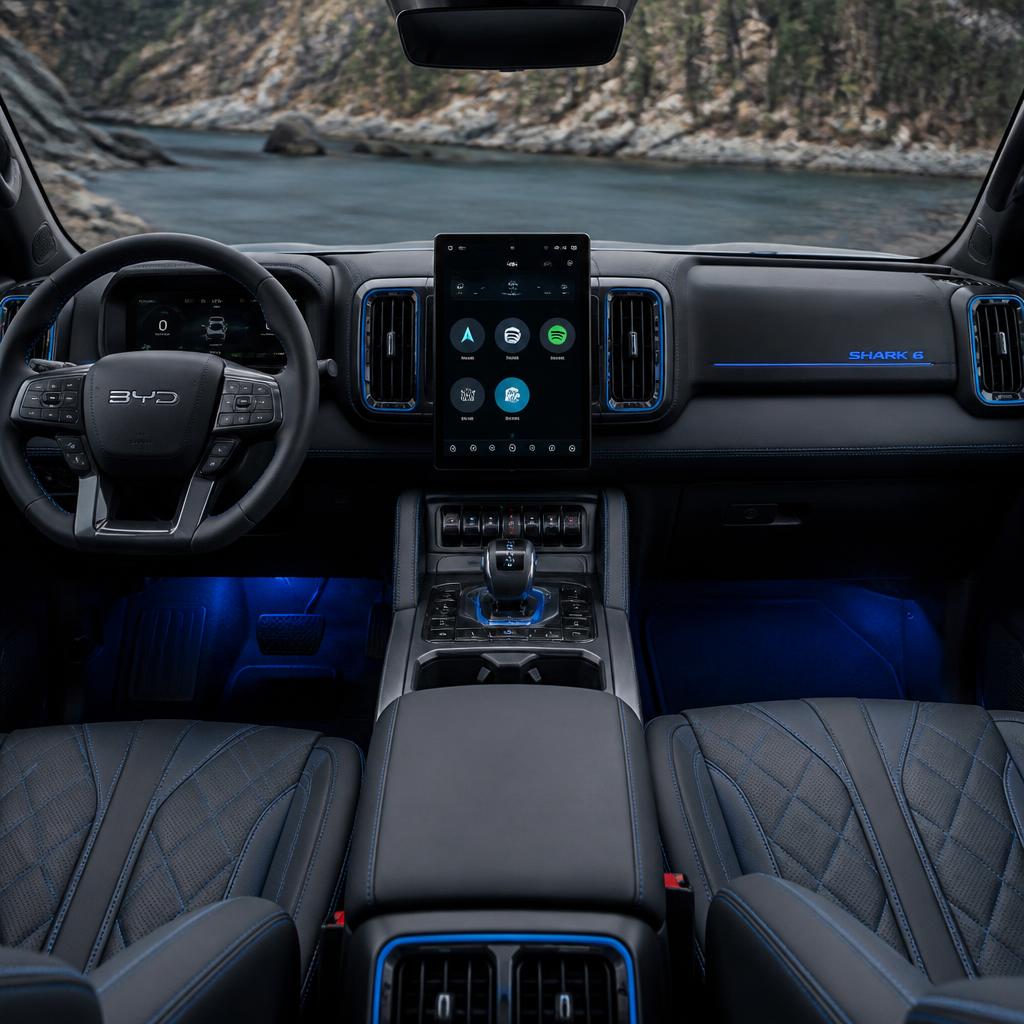
Spec sheets, brochure photography and launch-event presentations do not fully describe what a BYD Shark 6 is like to own across a normal week. The real experience is shaped by the charging routine, the quiet cabin, the step-in height, the way the tray handles daily loads, and the small accessories that make a big difference to comfort and organisation. This article draws on owner feedback and daily-use observation to explain what the Shark 6 is like to live with, from the weekday commute and family duties through to weekend camping, worksite tasks and the minor annoyances that are easily solved with the right upgrades.